

Cardiology
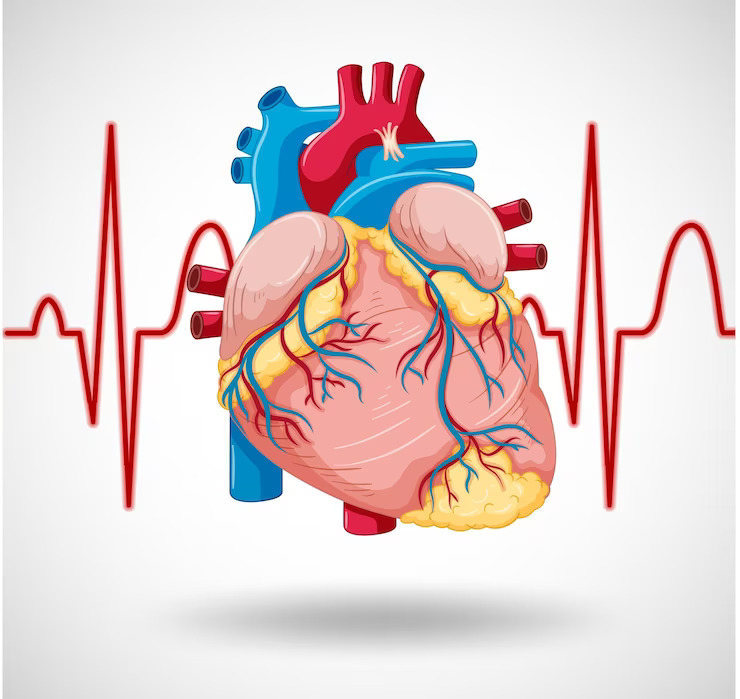
Cardiology is the branch of medicine that focuses on the study and treatment of disorders related to the heart and circulatory system. A cardiologist is a medical professional specialized in this field, and their expertise is crucial in diagnosing and managing various cardiovascular conditions. The heart, a muscular organ responsible for pumping blood throughout the body, plays a vital role in maintaining overall health.
One of the key areas of concern for cardiologists is cardiovascular diseases (CVD), which include conditions such as coronary artery disease, heart failure, arrhythmias, and valvular heart diseases. These diseases can have a significant impact on a person’s well-being and may lead to serious complications if left untreated. Cardiologists use a range of diagnostic tools, including electrocardiograms (ECGs), echocardiograms, and cardiac catheterization, to assess the health of the heart and identify potential issues.

In addition to preventive measures, cardiologists are involved in the management of acute and chronic cardiovascular conditions. They may prescribe medications, recommend surgical interventions, or suggest lifestyle changes based on the specific needs of the patient. Interventional cardiology, a subspecialty within cardiology, involves procedures such as angioplasty and stent placement to treat blockages in the blood vessels. Preventive cardiology is another important aspect of this field, focusing on strategies to reduce the risk of developing cardiovascular diseases. Lifestyle modifications, such as maintaining a healthy diet, engaging in regular physical activity, and avoiding tobacco use, play a crucial role in preventing heart-related problems. Cardiologists work with patients to create personalized plans that address risk factors and promote heart-healthy habits.
Preventive cardiology is another important aspect of this field, focusing on strategies to reduce the risk of developing cardiovascular diseases. Lifestyle modifications, such as maintaining a healthy diet, engaging in regular physical activity, and avoiding tobacco use, play a crucial role in preventing heart-related problems. Cardiologists work with patients to create personalized plans that address risk factors and promote heart-healthy habits.
In addition to preventive measures, cardiologists are involved in the management of acute and chronic cardiovascular conditions. They may prescribe medications, recommend surgical interventions, or suggest lifestyle changes based on the specific needs of the patient. Interventional cardiology, a subspecialty within cardiology, involves procedures such as angioplasty and stent placement to treat blockages in the blood vessels.
Advancements in technology have also led to the development of innovative treatments, such as minimally invasive procedures and the use of implantable devices like pacemakers and defibrillators. Cardiologists stay abreast of these advancements to provide patients with the most effective and least invasive treatment options.
In conclusion, cardiology is a dynamic and essential field of medicine dedicated to understanding, preventing, and treating cardiovascular diseases. Cardiologists play a critical role in promoting heart health, diagnosing conditions, and providing comprehensive care to patients with a wide range of cardiac issues. Their expertise contributes significantly to improving the quality of life and longevity of individuals with cardiovascular concerns.