
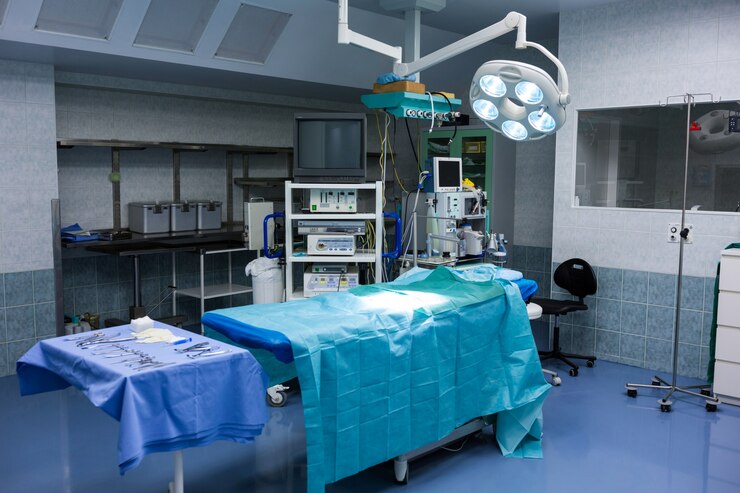
ICU
The Intensive Care Unit (ICU) is a critical component of a hospital that provides specialized care for patients with life-threatening conditions or those requiring close monitoring and advanced medical interventions. The ICU is staffed by a multidisciplinary team of healthcare professionals, including intensivists, critical care nurses, respiratory therapists, and other specialists, who collaborate to deliver comprehensive and intensive care to patients in critical condition.
The primary goal of the ICU is to stabilize and support patients with severe medical conditions, such as organ failure, trauma, respiratory distress, cardiac issues, or post-surgical complications. Intensivists, who are physicians trained in critical care medicine, lead the team and make critical decisions regarding patient care. They work closely with nurses and other healthcare providers to address the complex and rapidly changing needs of critically ill patients.
Advanced monitoring equipment is a hallmark of the ICU, allowing continuous tracking of vital signs, oxygen levels, cardiac activity, and other essential parameters. This real-time data helps the medical team make timely and informed decisions to manage and adjust the treatment plan according to the patient’s condition. The ICU is equipped with state-of-the-art technology, including ventilators, infusion pumps, and hemodynamic monitoring devices, to provide advanced life support.
Critical care nurses play a pivotal role in the ICU, providing around-the-clock care, administering medications, monitoring patients closely, and coordinating with other healthcare professionals. Their expertise in managing complex medical situations and their compassionate approach contribute significantly to the well-being of patients and their families during challenging times.

The ICU serves as a hub for various medical specialties, including cardiology, pulmonology, nephrology, and neurology, among others. Collaborative care ensures that patients receive specialized interventions tailored to their specific medical needs. Interdisciplinary rounds, where members of the healthcare team discuss the patient’s progress and plan of care, promote effective communication and coordination of efforts.
Family-centered care is an essential aspect of the ICU. Healthcare providers communicate regularly with the families of critically ill patients, offering support, explaining medical procedures, and involving them in decision-making whenever possible. This approach recognizes the importance of the family as part of the patient’s care team and provides emotional support during challenging times.
In conclusion, the Intensive Care Unit plays a critical role in the healthcare system by providing specialized and intensive care to patients facing life-threatening conditions. The collaborative efforts of skilled healthcare professionals, advanced technology, and a patient-centered approach contribute to the effective management and recovery of critically ill individuals in the ICU.