
Pediatric and Neonatal
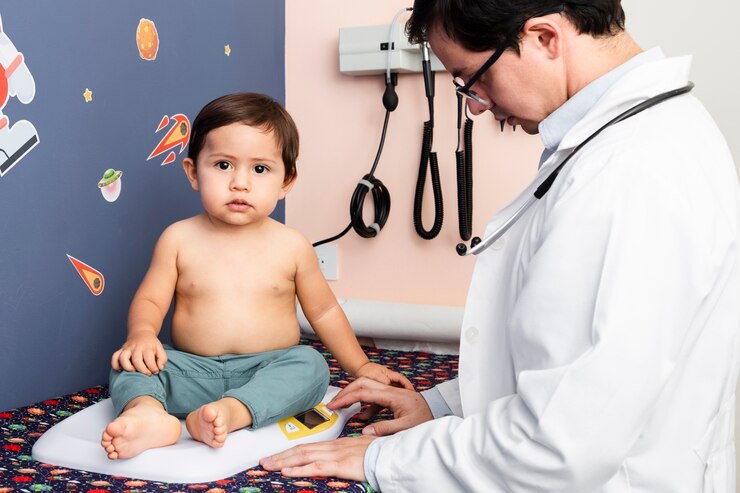
Pediatric and neonatal medicine are specialized branches of healthcare that focus on the medical care and well-being of infants, children, and adolescents. Pediatricians and neonatologists are medical professionals dedicated to addressing the unique healthcare needs of these age groups, ensuring their growth, development, and overall health.
Pediatric medicine covers a wide range of healthcare services tailored specifically for children, ranging from routine check-ups and vaccinations to the diagnosis and management of complex medical conditions. Pediatricians are trained to provide age-appropriate care and to address the physical, emotional, and social aspects of a child’s health. They work closely with parents or caregivers to promote preventive care and educate families about nutrition, safety, and developmental milestones.
Neonatology, on the other hand, is a subspecialty of pediatrics that focuses specifically on the care of newborn infants, particularly those who are born prematurely, have low birth weight, or experience other medical complications. Neonatologists are trained to manage the unique challenges that newborns face, including respiratory distress syndrome, infections, and developmental issues. They often work in neonatal intensive care units (NICUs), providing advanced medical care to ensure the best possible outcomes for these vulnerable infants.
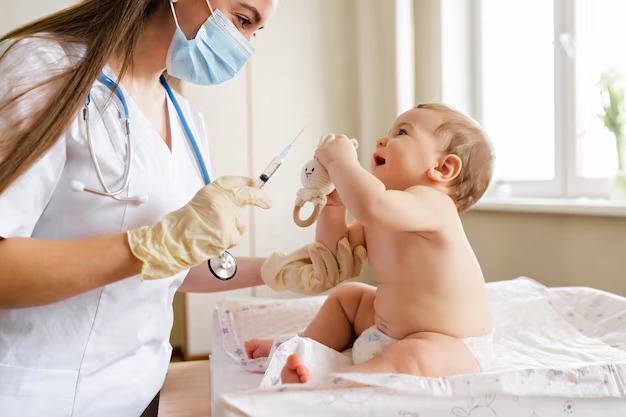
The field of pediatric and neonatal medicine emphasizes the importance of preventive care, early intervention, and family-centered healthcare. Regular pediatric check-ups monitor a child’s growth and development, allowing healthcare providers to identify and address any concerns promptly. Vaccinations are a crucial component of pediatric care, protecting children from preventable diseases and contributing to public health.

Pediatric and neonatal medicine also involves collaboration with other healthcare professionals, including nurses, nutritionists, and therapists, to provide comprehensive care. Additionally, pediatric specialists may be involved in managing chronic conditions, such as asthma, diabetes, or developmental disorders, to optimize a child’s health and quality of life.
The emotional well-being of both the child and their family is a key consideration in pediatric and neonatal care. Medical professionals in these fields strive to create a supportive and empathetic environment, recognizing the impact that health challenges can have on the entire family.
In conclusion, pediatric and neonatal medicine are essential components of healthcare that focus on the unique needs of infants, children, and adolescents. Through preventive care, early intervention, and comprehensive medical management, pediatricians and neonatologists play a crucial role in promoting the health and well-being of the youngest members of society.